
Wilder Features
"Breathe life into the world around you and the wilderness will take form."
● Overview
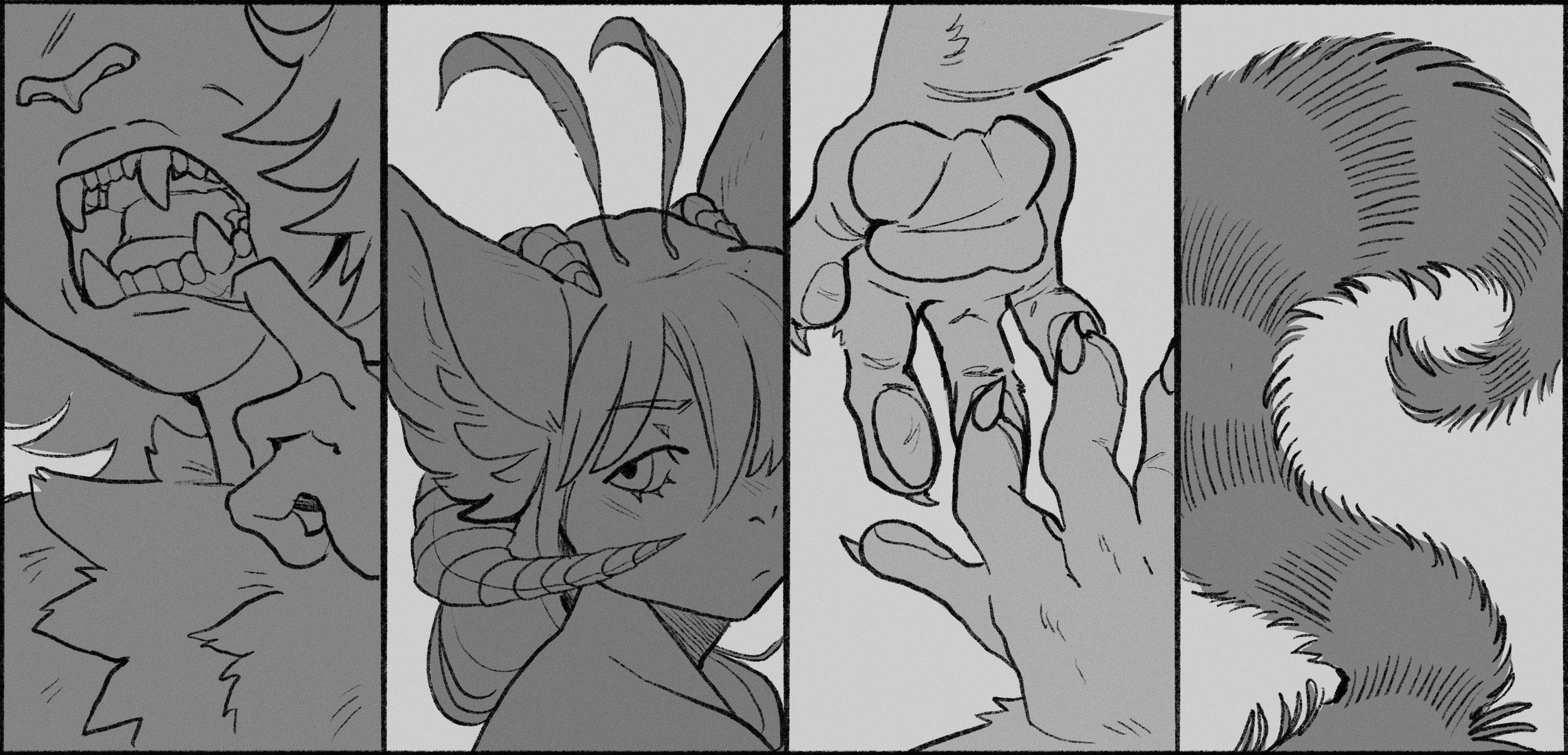
As Wilderfae mature and become influenced by their surrounding environment, they may naturally adopt Wilder Features.
These beast-like features take from our real-world animals as inspiration and enhance a Wilderfae's natural appearance. They're often seen as symbols of one's connection with nature and a blessing from their distant goddess, Verdemera. Because of their significance, having these traits is considered quite attractive among Wilderfae!
What are Wilder Features?
● Before You Start
General Rules
Wilder Features affect areas on the body, limbs, and head. With the correct trait items, you can alter your Wilderfae's design to better reflect their wild side. Whether it be with a new pair of ears, a tail, or maybe even some hooves!
While we allow a lot of room for creative freedom with Wilder Features, be sure to read the following rules to understand what is allowed.
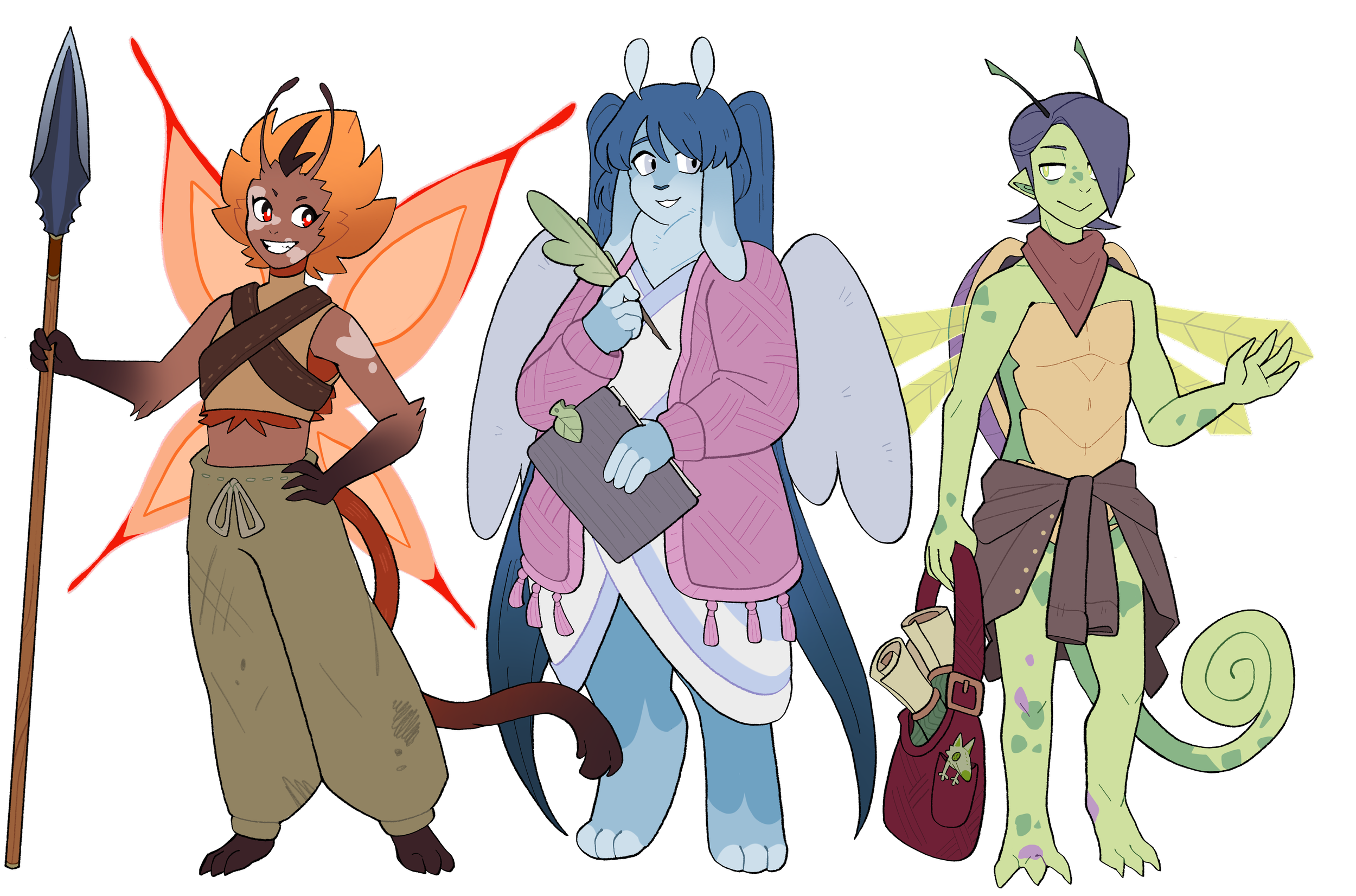
● Animal Reference Restrictions
The standard Wilderfae can only adopt features that resemble those of real-world mammals and reptiles that are non-aquatic. The Wilderfae are a species known for thriving off of the land and do not do well in water!
In this guide, you'll see many examples that are considered legal under this ruling! Things like cat ears, deer hooves, tortoise shells, and lizard spikes are all valid Wilder Features that can be applied to your design. But you are not beholden to the examples shown here!
Wilder Features are meant to be a wild card trait that allows for lots of creative options. If you have an idea that you think fits under the general rulings for the species, feel free to ask about it’s legality in the discord server!
A Land-Loving Species
Avian and amphibian features, as well as fish and insect qualities are not allowed on a standard Wilderfae.
Adding feathers, beaks, gills, or any other quality that does not fall under common features of mammals and reptiles will likely result in your design being denied.
● Wilder Feature Rarity
Rarity & Categories
Wilder Features measure rarity by how many are present on a single Wilderfae.
With zero being the standard, to 5+ being the most rare.
-
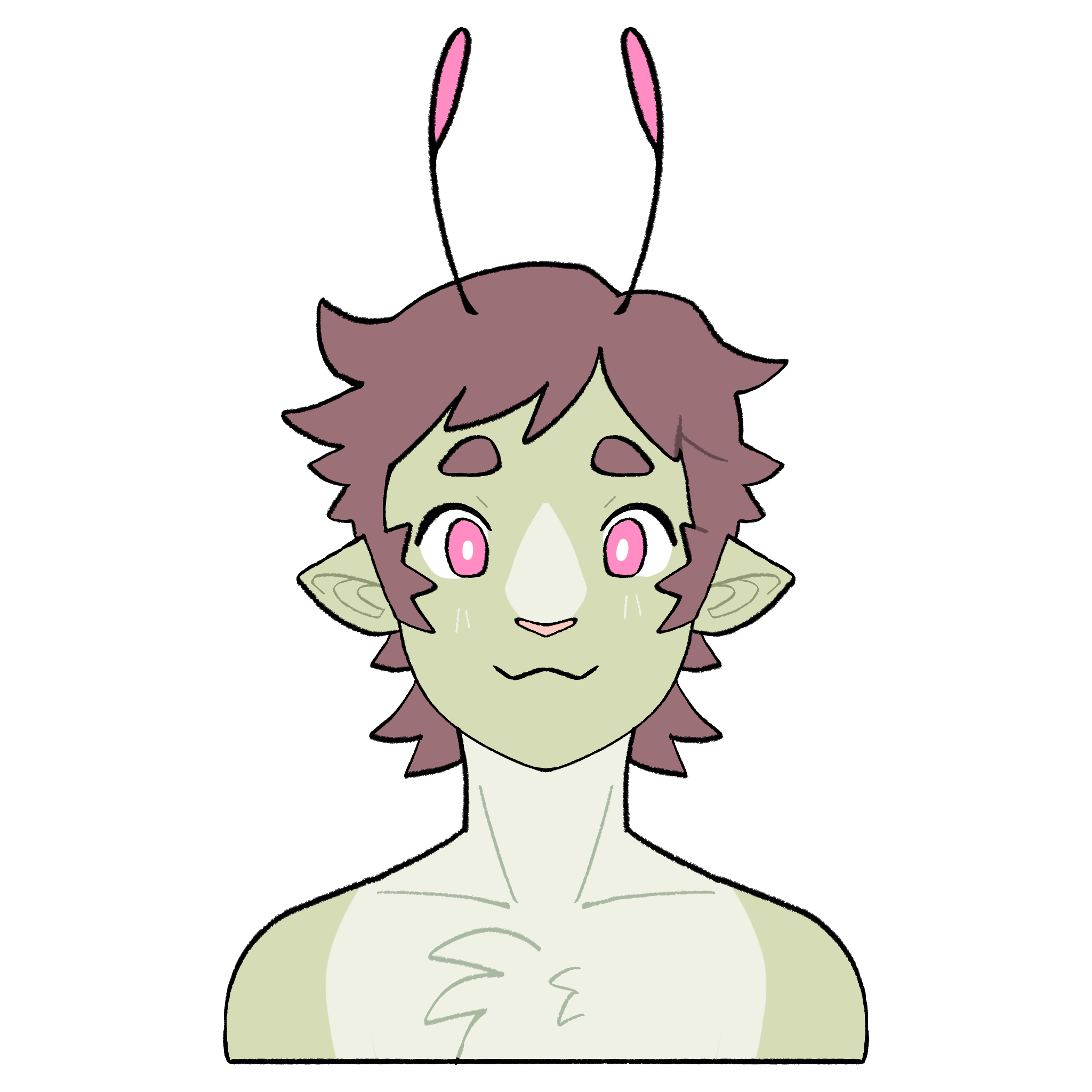
Common
0 WILDER FEATURES
-
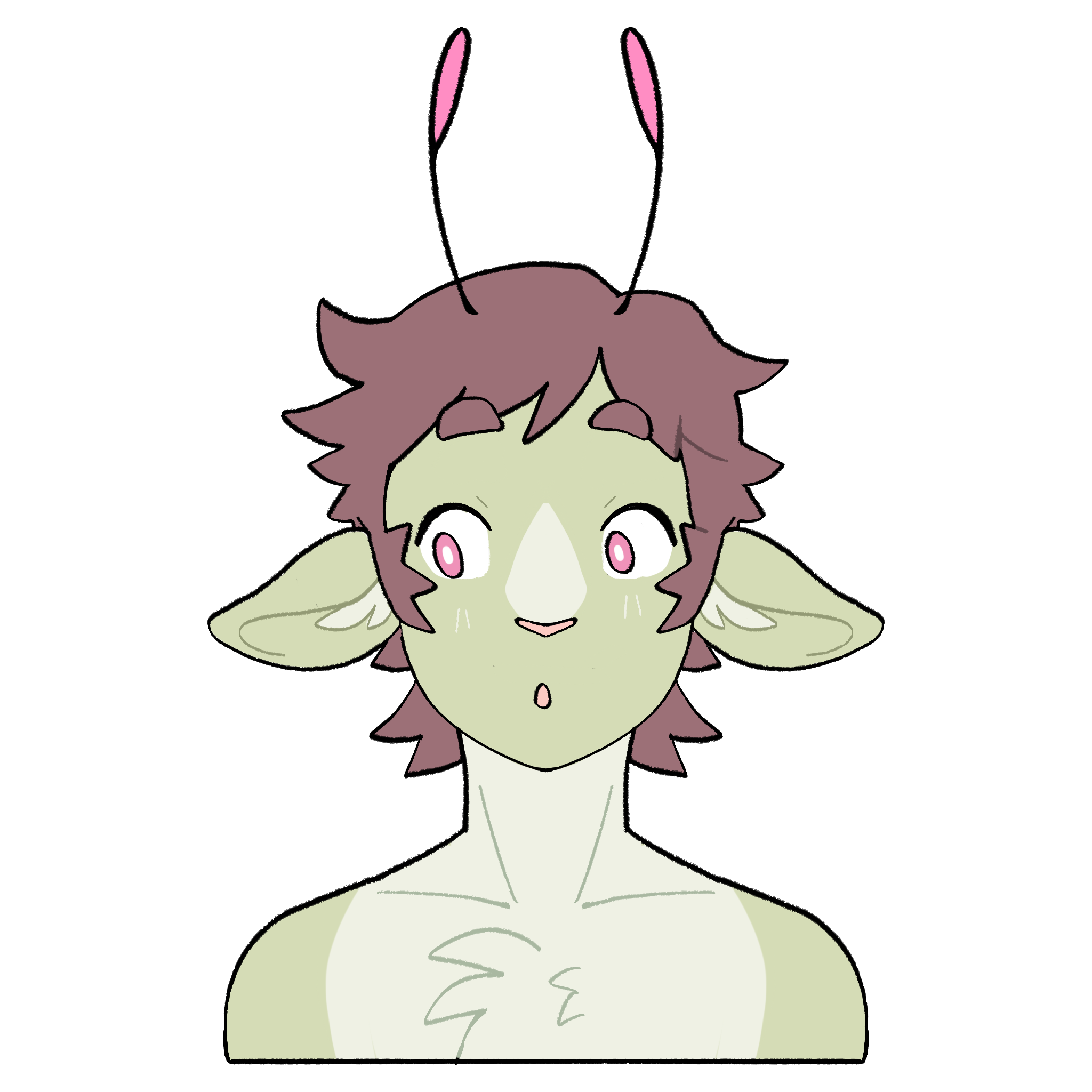
Uncommon
1-2 WILDER FEATURES
-
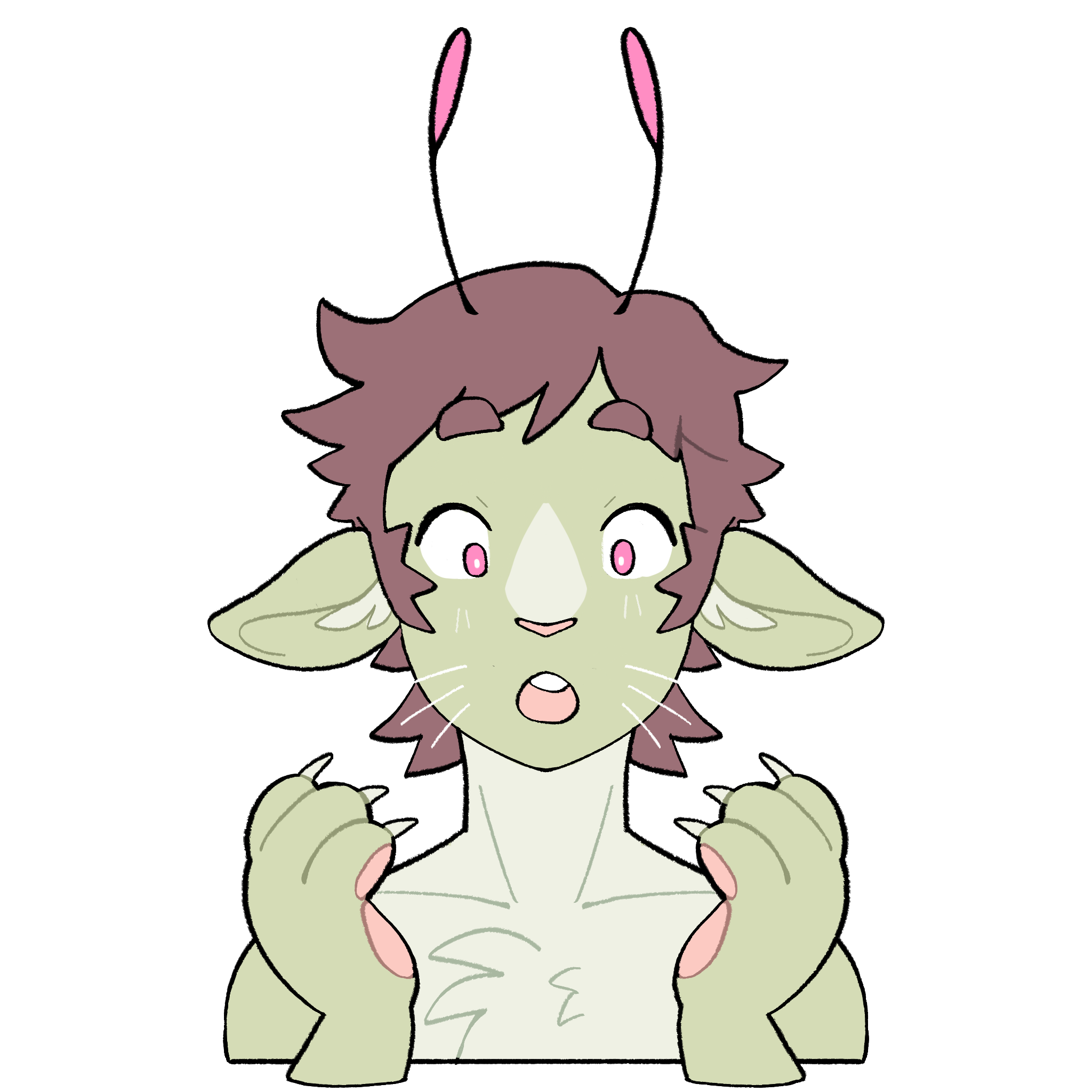
Rare
3-4 WILDER FEATURES
-
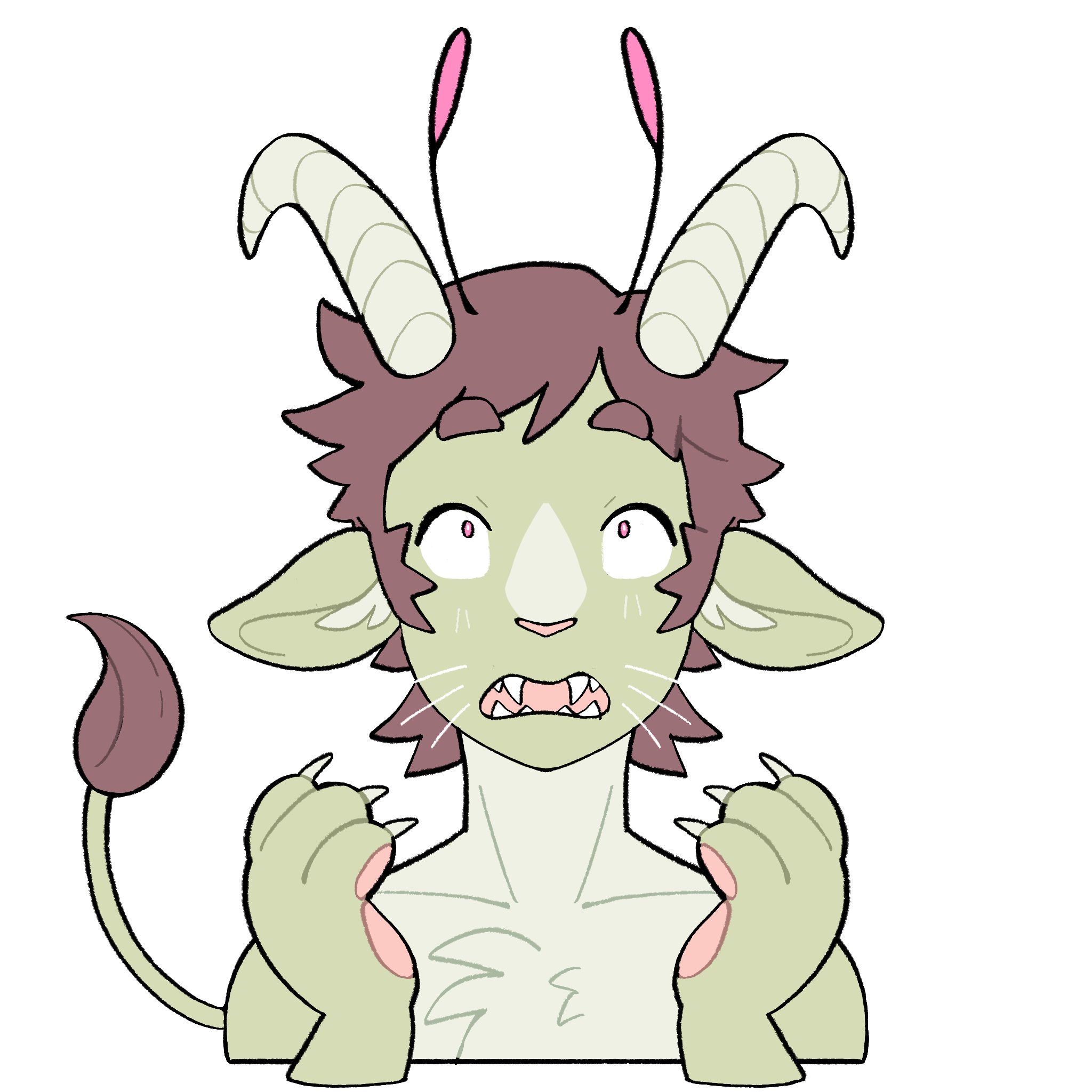
Exquisite
5+ WILDER FEATURES
When Applying Wilder Features
Please note that if you are submitting a design using an Uncommon Roll or Rare Pastry to give your Wilderfae a new feature, you have the choice to give either the minimum or maximum amount in that rarity tier. If you choose to do the minimum, you will need to use another of that same trait item in order to max out in that rarity.
For example, if you designed and submitted your character to the Masterlist with only one Wilder Feature while using an Uncommon Roll, you will need another Uncommon Roll if you wish to give them a second Wilder Feature in the future! If you’d like to give them three Wilder Features someday, you will need a Rare Pastry.
Each time you upgrade within the Exquisite tier, it will cost you one Exquisite Stew for any additional Wilder Features you wish to add.
● Wilder Features Categories
Five Categories of Wilder Features
-
Horns
Anything that involves sprouting horns on the head of your character.
-
Ears
Any Wilder Feature that affects the general shape or texture of the ears will be under this category.
-
Head
Any changes that affect the mouth, nose, or general facial texture will be under this category.
-
Body
Body textures like scales or a limb change to paws or hooves are under this category.
-
Tail
Anything that results in adding a tail to your character.
Let's go over some visual examples for what these categories can look like!
Wilder Feature: Horns
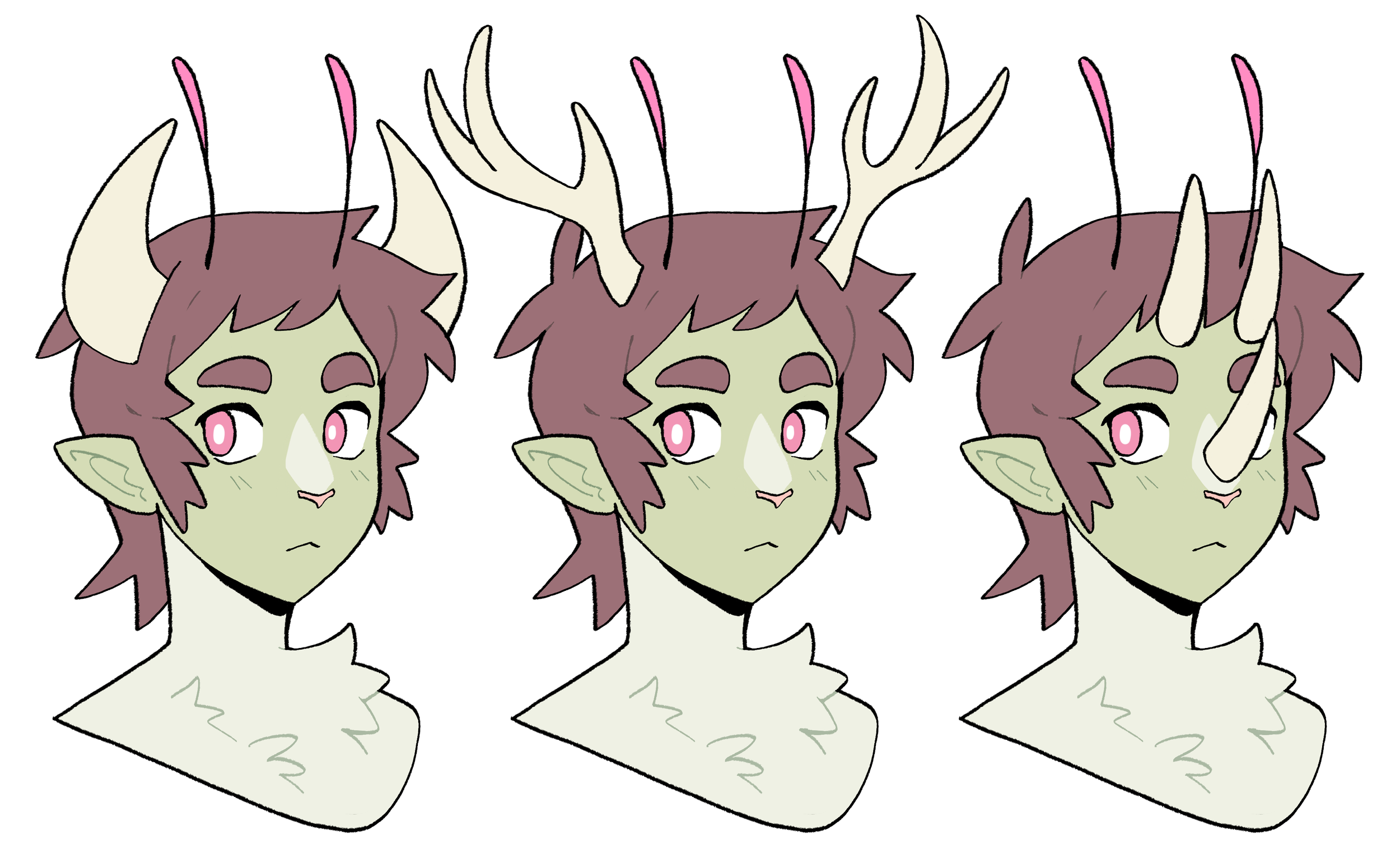
Add a pair of horns to your Wilderfae's head to show off their swagger! These horns can only be as tall as your Wilderfae’s entire head is long.
These can range from being small nubs to large, branching antlers. While we allow freedom in design for your horns, please keep them relatively believable! Unihorns are not allowed as well as any broken horns that are trying to resemble a unihorn. Prongs should also not be connecting or have hollowed out holes in them.
This is a category that can be applied multiple times. So if you want both a nose horn and antlers, that will count as two Wilder Feature traits.
Wilder Feature: Ears
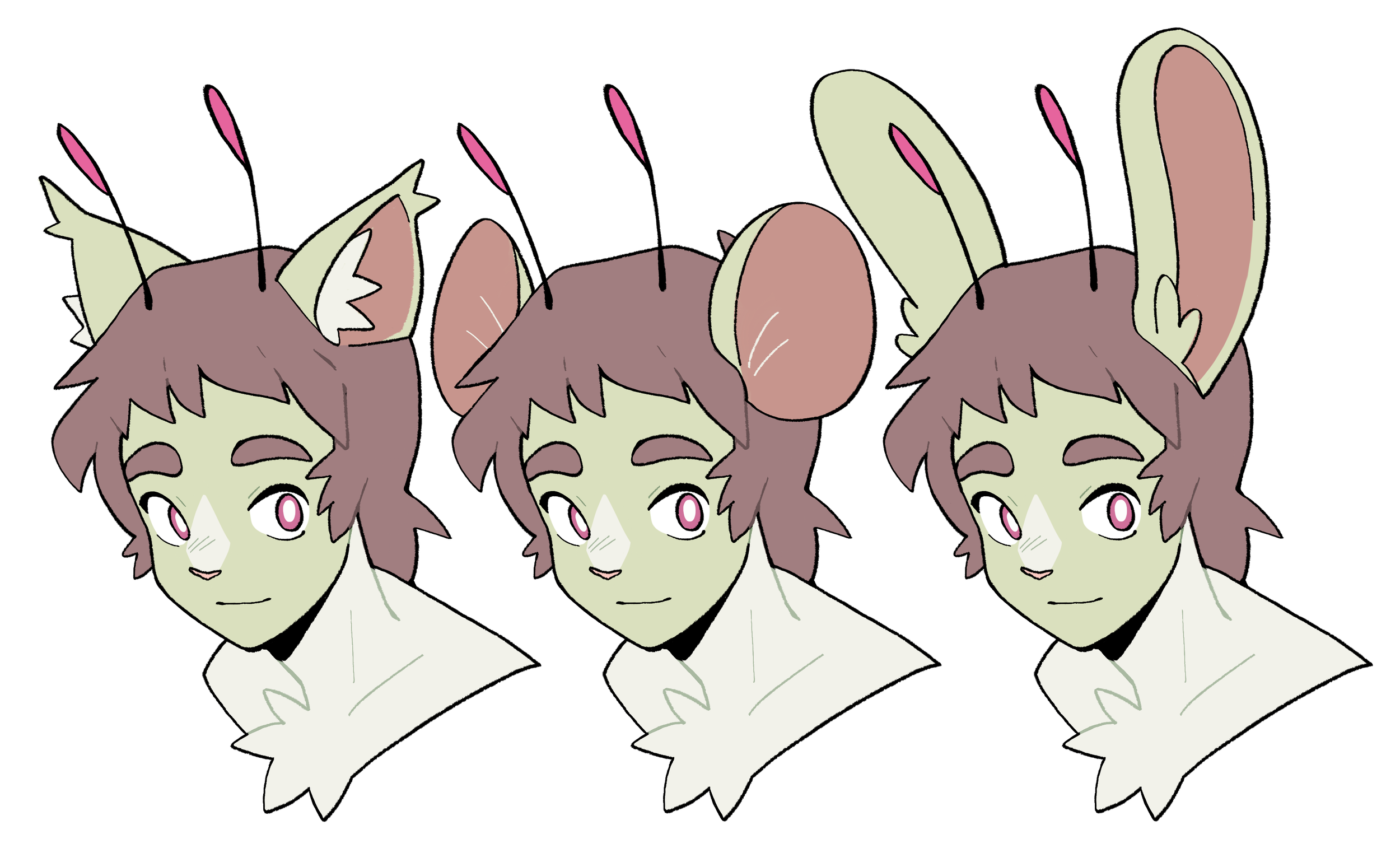
Add some expressiveness to your Wilderfae with a pair of animal ears! These have the option of going on the sides or on the top of the head. They can be as expressive as you'd like, allowing them to perk up or droop per your character's emotions, or be completely stationary.
The ears cannot be any longer than the character’s entire head.
These should, for the most part, resemble the ears of the animals that they're pulling from since we do allow stylization and simplification. So trying to design ears that resemble a specific animal-like shape rather than a specific species is perfectly fine.
Wilder Feature: Head
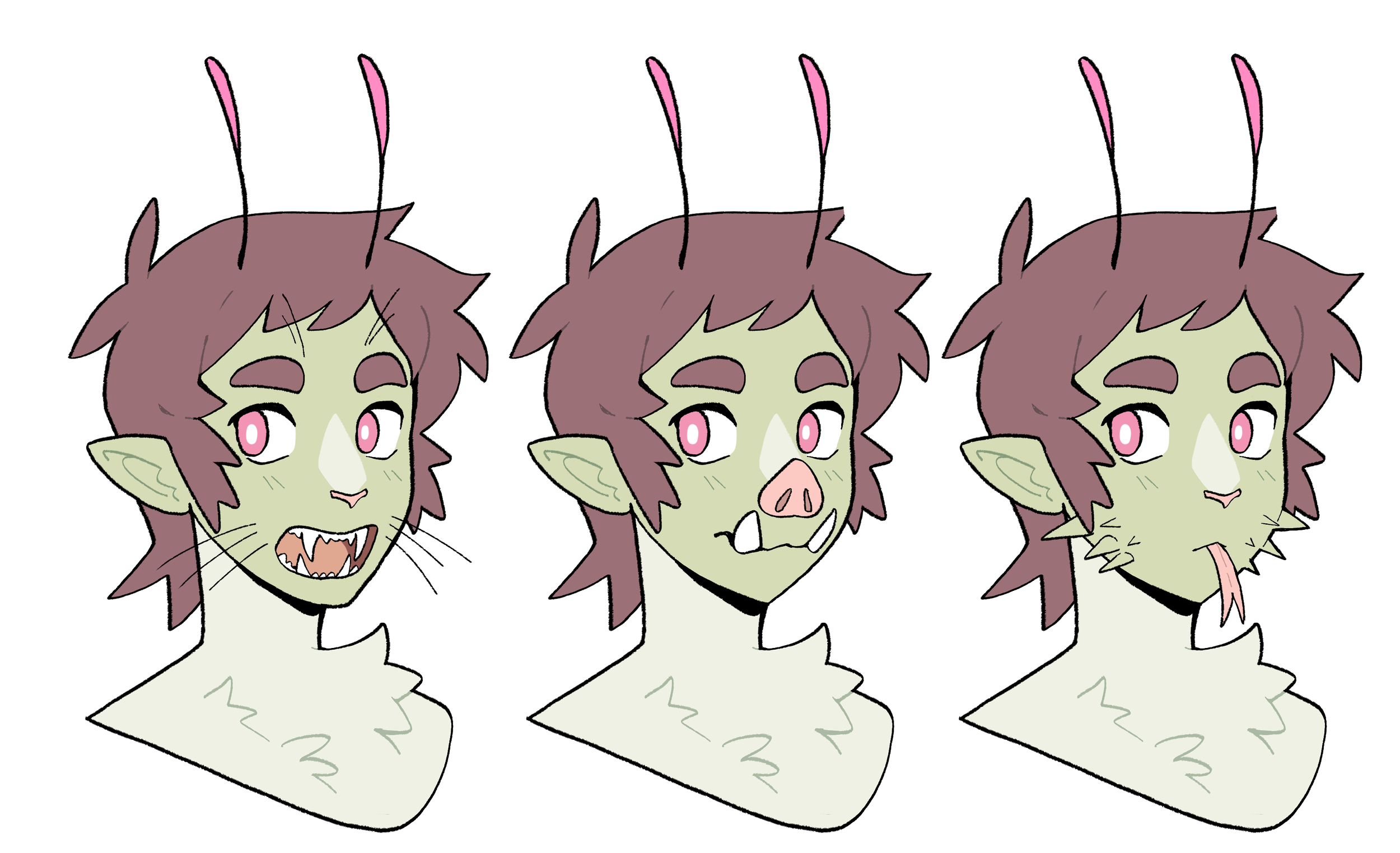
Wilder Features in the Head category can take on a variety of forms. Pull from animal inspirations to change the shape of your nose, teeth, tongue, or even add new common features like whiskers or spikes!
Wilder Features affecting the head cannot drastically change the shape of the Wilderfae skull. Creating an elongated snout or trunk that pushes past the default head examples will not be allowed.
This is a category that can be applied multiple times. So if you want both a pig nose and tusks, that will count as two Wilder Feature traits.
Wilder Feature: Body
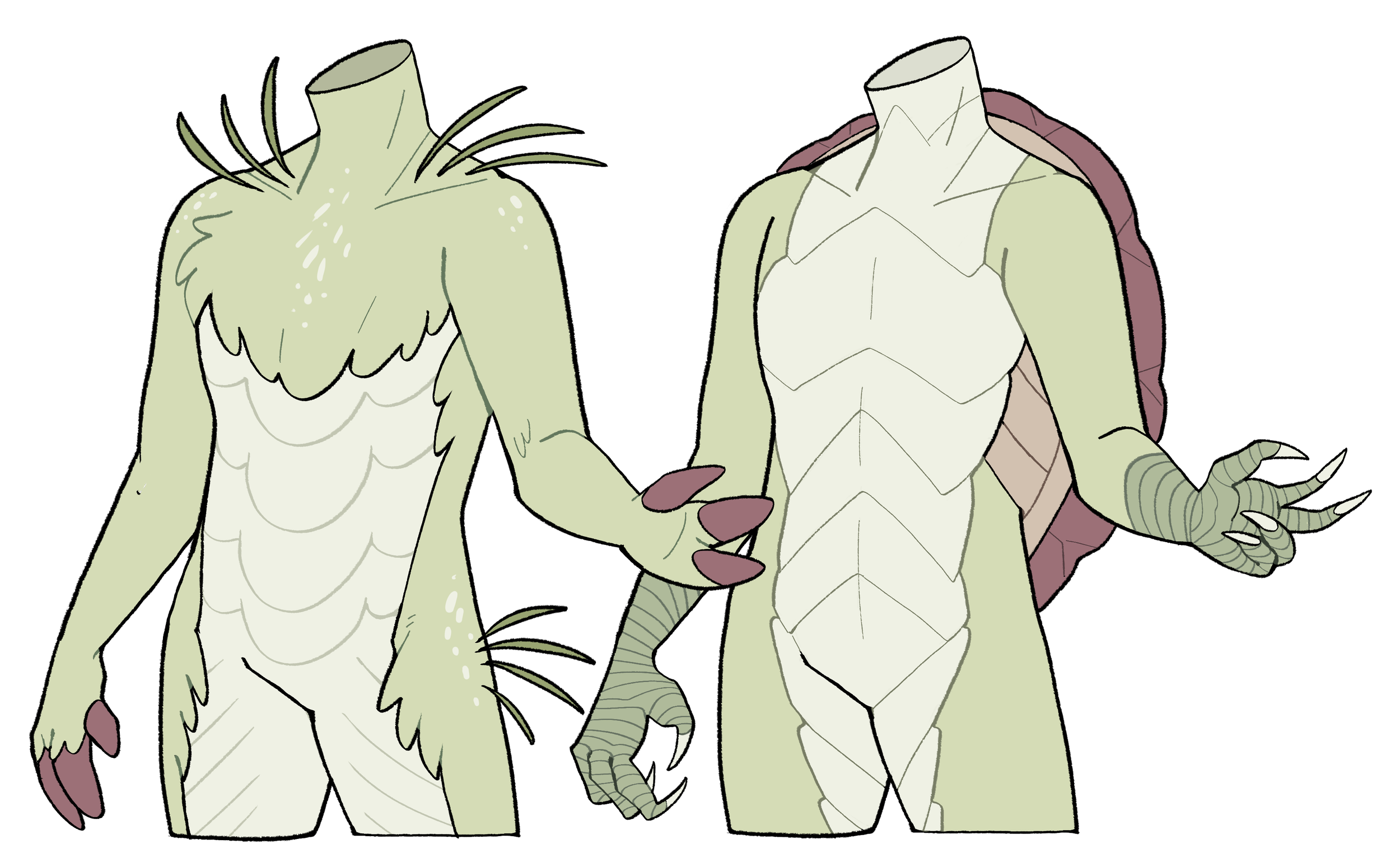
This category encompasses any Wilder Feature that makes a change to the Wilderfae's body. Adding textural features like spines, quills, scales, and shells fall under this category, as well as altering natural Wilderfae limbs to something like paws or hooves. Feel free to mix and match to your heart's content!
This is a category that can be applied multiple times. So if you want both a tortoise shell and scales, that will count as two Wilder Feature traits.
Wilder Feature: Tail
Add a tail to your Wilderfae to perfect their balance and add to their body language!
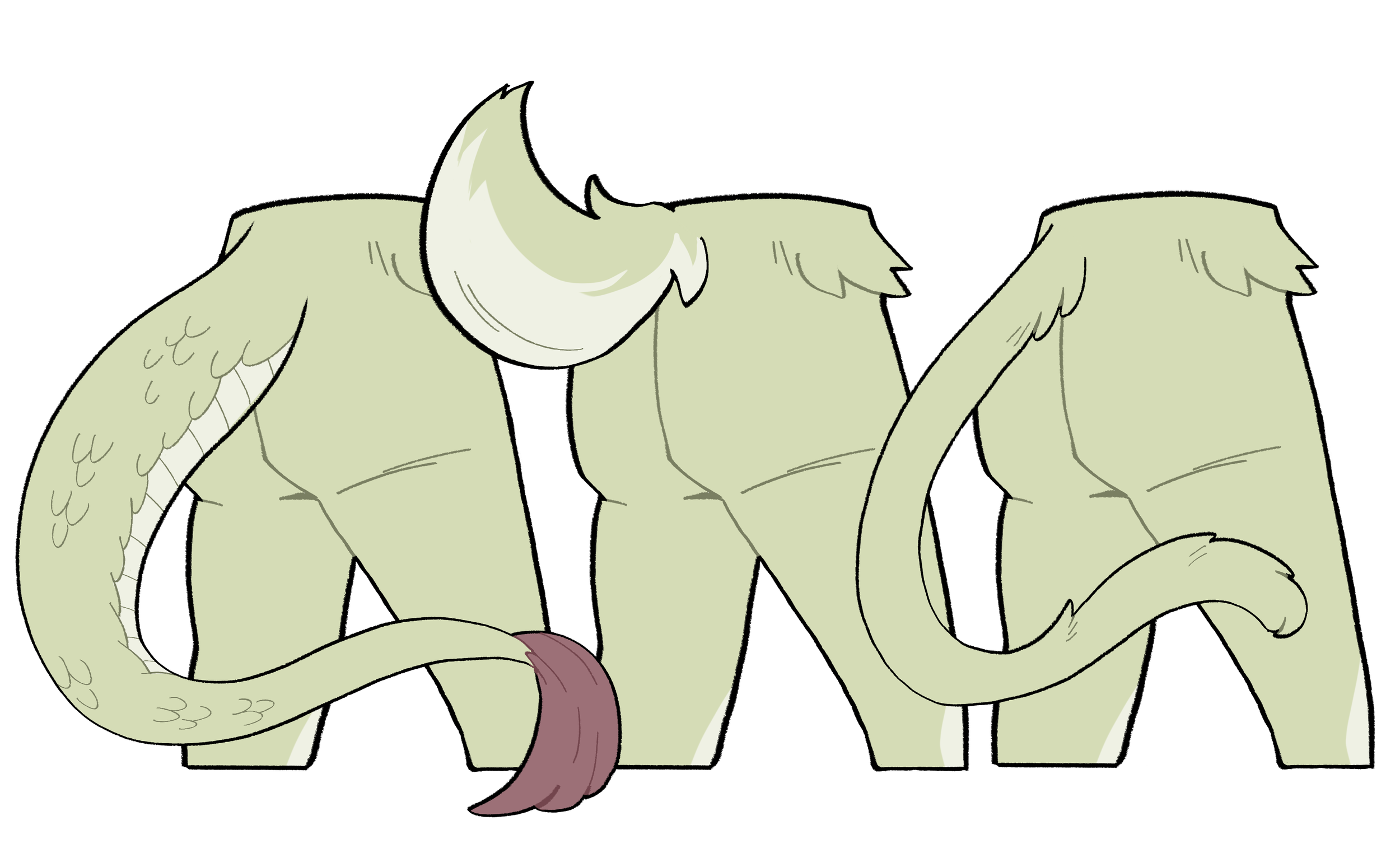
This category can include both the body of the tail and the tip but they don't have to fully match. Feel free to explore combinations such as a cat tail with a rattlesnake tip, or a lizard tail with a fluffy, cow tail tip!
This is a category that can be applied multiple times. So if you want both a fluffy tail tip and a lizard tail, that will count as two Wilder Feature traits.
● Far but Familiar
Going Beyond...
What we've gone over so far are the most basic forms of Wilder Features that have appeared within most Fae Circles. However, there are legends of them taking on forms far beyond what is commonly known.
These mysteries will require further research in time...